5 Signs It’s Time to Remove Your Palm Tree Instead of Trimming It
Palm trees are one of the most recognizable features of Arizona landscapes. Their tall, elegant appearance complements residential properties and provides a distinct Southwestern aesthetic. While healthy palms can thrive for decades with proper maintenance, they don’t last forever. Over time, disease, structural damage, age, and environmental stress can turn a once-beautiful tree into a serious safety concern.
Many homeowners assume that trimming dead fronds is enough to restore a struggling palm. However, there are situations where trimming only delays the inevitable. In some cases, keeping a damaged palm tree standing can increase the risk of falling fronds, trunk failure, pest infestations, and expensive property damage.
Knowing when to choose palm tree removal instead of routine maintenance can save you money while protecting your family and home.
At King’s Tree Service, we help Phoenix homeowners evaluate the condition of their palm trees and recommend the safest long-term solution. In this guide, you’ll learn five clear signs that indicate removal is the better option, along with expert advice on maintaining a safe and attractive landscape.
Why Palm Trees Require Special Care
Unlike many shade trees, palm trees have a completely different structure.
Traditional trees continue adding growth rings every year, allowing them to recover from some injuries. Palm trees grow from a single growing point called the bud or crown. If that growing point becomes damaged or dies, the entire tree usually cannot recover.
This makes early diagnosis especially important.
Professional inspections help determine whether a palm can be saved or if removal is the safest choice.
The Difference Between Palm Tree Trimming and Palm Tree Removal
Many homeowners confuse trimming with removal, but each service serves a different purpose.
| Palm Tree Trimming | Palm Tree Removal |
| Removes dead or damaged fronds | Removes the entire tree |
| Improves appearance | Eliminates hazardous trees |
| Encourages healthy growth | Prevents future safety risks |
| Routine maintenance | Permanent solution |
| Suitable for healthy palms | Necessary for dead or unstable palms |
Understanding this difference helps homeowners avoid spending money on trimming when removal is actually required.
Sign #1: Your Palm Tree Is Dead or Dying
One of the clearest indicators that palm tree removal is necessary is when the tree has died or is rapidly declining.
A dying palm tree often displays several warning signs before complete failure occurs.
Common Symptoms of a Dying Palm Tree
Look for:
- Brown fronds throughout the canopy
- No new green growth
- Hollow or soft trunk sections
- Rot around the crown
- Severe discoloration
- Drooping canopy
- Dry, brittle fronds
If the central spear leaf pulls out easily, it usually indicates severe internal decay.
Unfortunately, once the growing point dies, recovery is extremely unlikely.
Why Removal Is Important
Leaving a dead palm standing creates unnecessary risks.
Dead palms become increasingly unstable as internal tissues deteriorate, making them more vulnerable to strong winds and storms common in the Phoenix area.
Sign #2: The Palm Tree Has Become a Safety Hazard
Safety should always be your highest priority.
A hazardous palm tree can threaten nearby homes, vehicles, fences, patios, power lines, and anyone walking beneath it.
Warning Signs of a Hazardous Palm Tree
Watch for:
- Leaning trunk
- Visible cracks
- Large sections of missing bark
- Loose crown
- Hanging dead fronds
- Root instability
- Previous storm damage
Even if the tree still appears alive, structural weakness can make it dangerous.
Risks of Waiting Too Long
Ignoring hazardous conditions may result in:
- Falling fronds
- Falling trunk sections
- Property damage
- Vehicle damage
- Personal injury
- Higher emergency removal costs
Scheduling removal before the tree fails gives professionals greater control over the process.
Sign #3: Disease or Pest Damage Has Become Severe
Palm trees can suffer from diseases and insect infestations that weaken their structure.
Some diseases progress slowly, while others spread rapidly through the tree.
Common Issues Affecting Palm Trees
Professional inspections may identify:
Fungal Infections
Certain fungi attack the trunk or root system, causing irreversible damage.
Crown Rot
Rot around the crown can destroy the tree’s growing point.
Ganoderma Butt Rot
This fungal disease weakens the trunk internally and cannot be cured.
Insect Infestations
Borers, beetles, and other insects may attack weakened palms, accelerating decline.
Can a Diseased Palm Be Saved?
The answer depends on:
- Type of disease
- Stage of infection
- Overall tree health
- Structural stability
When disease has severely compromised the tree, removal is often the safest recommendation.
Sign #4: The Palm Is Causing Property Problems
Palm trees continue growing for many years.
As they mature, they may begin interfering with nearby structures or utilities.
Common Property Concerns
Large palms may:
- Touch roofs
- Interfere with gutters
- Damage fences
- Block driveways
- Obstruct security cameras
- Reduce visibility
- Crowd swimming pools
Older palms can also shed heavy seed pods and fronds that require constant cleanup.
Landscaping Considerations
Sometimes removal is part of a larger landscape renovation.
Homeowners may choose to remove aging palms to:
- Increase usable yard space
- Improve curb appeal
- Install new landscaping
- Prevent future maintenance costs
Professional removal creates opportunities for healthier and more functional outdoor spaces.
Sign #5: The Cost of Maintenance Keeps Increasing
Healthy palms generally require periodic trimming.
However, some mature palms demand frequent maintenance that becomes expensive over time.
Ongoing Costs May Include
- Annual trimming
- Pest treatments
- Disease management
- Emergency pruning
- Cleanup after storms
- Removal of falling seed pods
If maintenance costs continue rising while the tree’s condition declines, complete palm tree removal may provide better long-term value.
Compare Long-Term Costs
| Ongoing Maintenance | Tree Removal |
| Repeated service visits | One-time investment |
| Continued cleanup | Minimal future maintenance |
| Ongoing safety concerns | Hazard eliminated |
| Possible future emergency removal | Planned professional removal |
In many situations, proactive removal becomes the more economical choice.
Why Removing a Dangerous Palm Early Is Better
Waiting rarely improves a hazardous tree.
Professional removal before failure offers several advantages.
Increased Safety
Controlled removal reduces the likelihood of accidents.
Lower Costs
Emergency removals are often more expensive due to urgency and additional hazards.
Less Property Damage
Professionals can carefully lower sections instead of dealing with an uncontrolled collapse.
Easier Scheduling
Planning ahead allows work to be completed at a convenient time.
How Professionals Evaluate Palm Trees
Every tree is different.
Before recommending palm tree removal, experienced professionals examine several factors.
Tree Health
Is the palm still producing healthy growth?
Structural Stability
Does the trunk remain strong and upright?
Root Condition
Are the roots stable or showing signs of failure?
Disease Progression
Can treatment realistically improve the tree?
Location
How close is the tree to structures or utilities?
A thorough inspection ensures homeowners receive the most appropriate recommendation.
What Happens During Palm Tree Removal?
Many homeowners are surprised by how carefully professional removal is planned.
The process typically includes:
Site Inspection
The crew evaluates the safest removal strategy.
Safety Preparation
Nearby structures and landscaping are protected before work begins.
Section-by-Section Removal
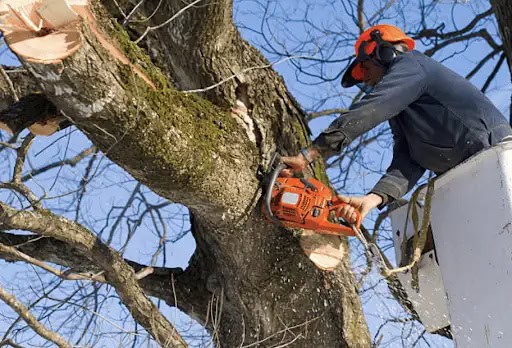
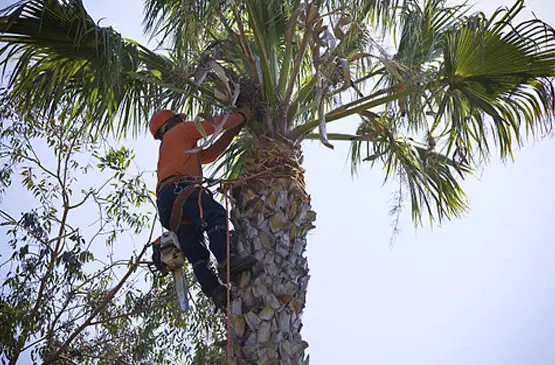
Large palms are often dismantled from the top down using specialized equipment.
Debris Removal
Fronds, trunk sections, and waste are hauled away.
Final Cleanup
The work area is cleaned thoroughly, leaving your property neat and safe.
Why Professional Palm Tree Removal Is the Safest Option
Palm trees may appear easier to remove than traditional trees, but they present unique challenges.
Their height, heavy crowns, and fibrous trunks require specialized equipment and training.
Professional services provide:
Proper Equipment
- Climbing gear
- Rigging systems
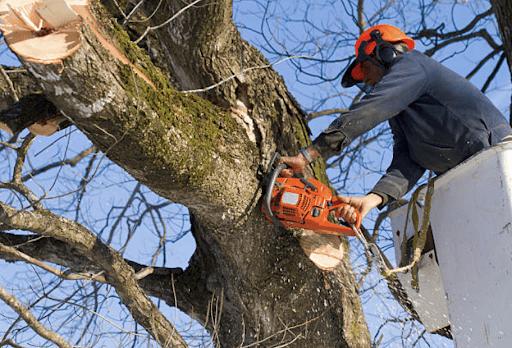
- Chainsaws
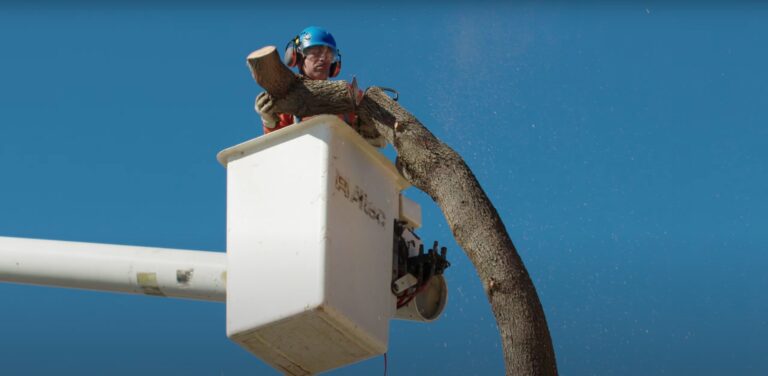
- Bucket trucks
- Cranes when necessary
Safe Removal Techniques
Experienced crews carefully control each stage of removal.
Property Protection
Professionals minimize the risk of damage to:
- Homes
- Roofs
- Vehicles
- Fences
- Landscaping
- Utility lines
Attempting removal without proper experience can be extremely dangerous.
Tips for Extending the Life of Healthy Palm Trees
Not every palm requires removal.
Healthy palms can often thrive for many years with proper care.
Water Correctly
Deep watering encourages stronger root systems.
Avoid Over-Trimming
Removing too many green fronds weakens the tree.
Fertilize When Needed
Use products formulated specifically for palm trees.
Schedule Routine Inspections
Early detection of disease helps prevent larger problems.
Remove Dead Fronds Promptly
Routine maintenance improves appearance and reduces safety hazards.
Preventive care helps maximize the lifespan of healthy palms.
Why Homeowners Trust King’s Tree Service
At King’s Tree Service, we understand that deciding to remove a mature palm tree isn’t always easy.
Our experienced team carefully evaluates each tree before recommending the best solution for your property.
Homeowners choose us because we focus on:
- Honest recommendations
- Safe work practices
- Professional equipment
- Careful property protection
- Thorough cleanup
- Reliable scheduling
- Transparent communication
- Exceptional customer service
Whether your palm tree is showing signs of decline or has become a serious safety concern, we’re committed to helping you make the right decision with confidence.
Conclusion
Palm trees can enhance the beauty and value of your property, but they also require ongoing attention as they age. When a dying palm tree begins showing signs of irreversible decline, or when a hazardous palm tree threatens your home and family, removal often becomes the safest and most practical solution.
By recognizing the warning signs early, you can avoid emergency situations, reduce long-term maintenance costs, and protect your landscape from unnecessary damage.
If you’re unsure whether your palm needs trimming or complete palm tree removal, the experienced team at King’s Tree Service can provide a professional evaluation and recommend the safest solution for your property.
Frequently Asked Questions
Is a leaning palm tree dangerous?
Yes. A leaning or unstable palm may indicate root damage or structural weakness, making it a hazardous palm tree that should be evaluated immediately.
Can a dead palm tree recover?
In most cases, no. Once the growing point has died, the tree cannot produce new growth and usually requires removal.
Should I trim or remove my palm tree?
Healthy palms generally benefit from trimming, while dead, diseased, unstable, or severely damaged palms are better candidates for palm tree removal.
How often should palm trees be inspected?
Annual inspections are recommended, with additional evaluations after severe storms or if you notice signs of disease, decay, or structural damage.